
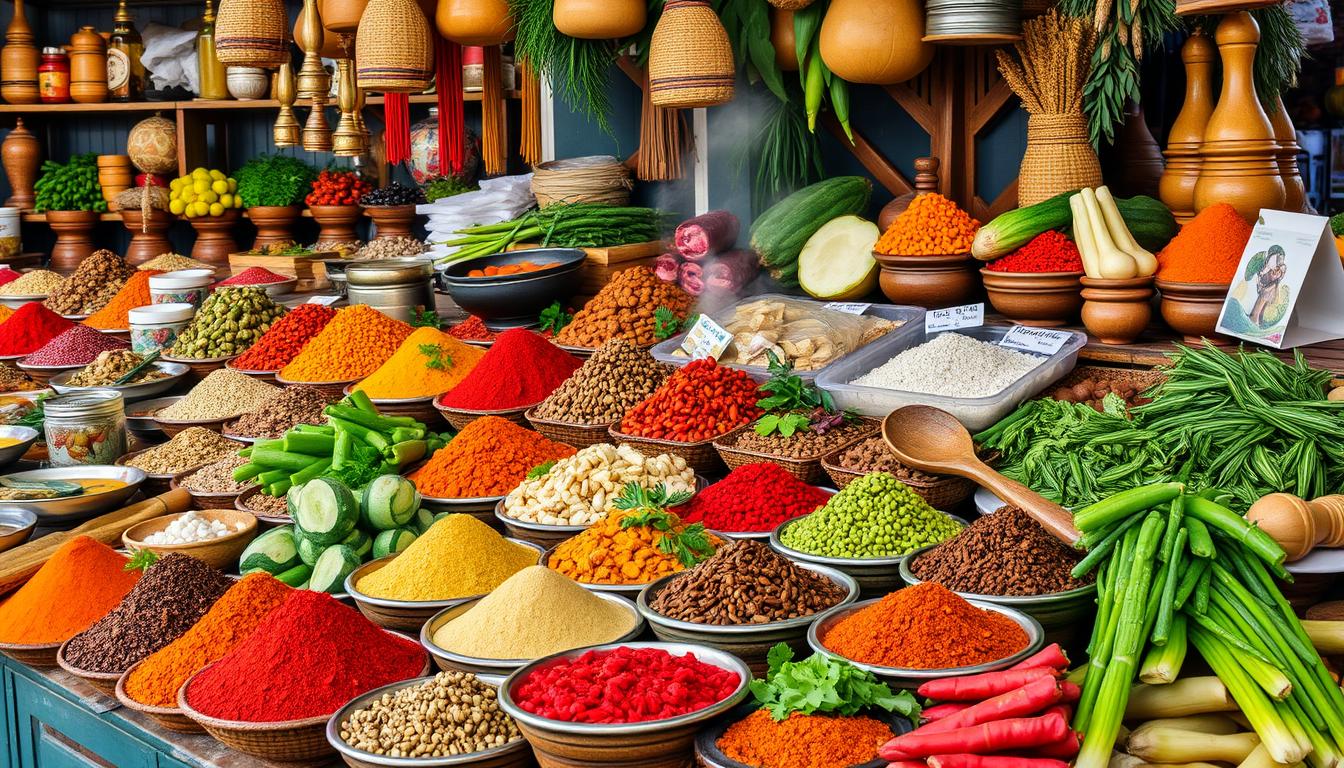
Culinary journeys offer a delightful exploration of traditional cuisine, enabling tourists to connect with the cultural fabric of different regions. As travelers seek authentic experiences, they are increasingly drawn to local gastronomy, which reflects the rich heritage and stories behind regional specialties. The rise of slow food movements plays a significant role in this trend, encouraging connections with local farmers, chefs, and artisans dedicated to preserving age-old recipes and high-quality ingredients.
Participating in events like the “Nasze Kulinarne Dziedzictwo-Smaki Regionów” competition, which has been celebrating Poland’s rich culinary traditions since 2000, is a fantastic way to delve into the local food scene. This competition highlights products deeply rooted in Polish culture, showcasing the best traditional dishes crafted from local ingredients. As the culinary landscape continues to evolve, it becomes evident that culinary journeys are about more than just tasting; they’re about fully immersing oneself in the flavors and stories of a region.
Examples of Regional Specialties
Poland boasts an incredible variety of regional specialties that reflect its diverse cultural heritage. Among these is Podhale cuisine, known for its hearty dishes that feature smoked cheese called oscypek and flavorful mountain lamb. These local delicacies not only showcase the ingredients indigenous to the area but also represent a way of life shaped by the stunning Tatra Mountains.
Traveling northeast, the flavors of Mazury emerge, offering an abundance of fish dishes, particularly herring, that draw upon the region’s lush natural resources. The refreshing Mazur flavors have delighted many, capturing the essence of life by the lakes. Community celebrations often feature these dishes, bringing locals and visitors together in appreciation of the culinary arts.
Festivals play a crucial role in celebrating and showcasing these regional specialties. Events such as “Smaki Regionów” highlight traditional sweets crafted from age-old recipes, receiving praise from Slow Food advocates. Artisanal jams, honey, and unique brews from local breweries take center stage, emphasizing the importance of ecological standards and traditional techniques. These gatherings not only promote a rich tapestry of flavors but also strengthen community ties and foster a love for local gastronomy.
How to Plan Culinary Trips
Planning culinary trips involves thorough research to identify destinations celebrated for their diverse dining experiences. Start by looking for regions that are renowned for their culinary festivals, where travelers can savor local delicacies prepared by expert chefs. Engaging with the rich culture of food can transform a simple meal into an unforgettable adventure.
Consider staying at local inns or restaurants known for their commitment to sustainability and traditional culinary practices. This not only provides comfortable accommodations but also supports the local economy. Connecting with local chefs and food producers enhances your culinary experience, allowing you to learn about their techniques and the stories behind the dishes they create.
Seasonal ingredients play a crucial role in the menus. When planning culinary trips, aim to travel during harvest season to taste the freshest flavors available. Participate in hands-on cooking experiences, similar to those found in comprehensive tours. For example, a group culinary and cultural tour lasting 3 hours offers participants the chance to enjoy dishes like Wet Burger, Kebab at Dürümzade, and Turkish coffee. Each of these experiences adds personal flair and deepens understanding of the local cuisine.
For a more ambitious journey, consider a 14-day culinary trip to Vietnam. This extensive tour spans over 2000 kilometers, introducing travelers to over 50 different dishes from eight major regions. Such trips not only include guided culinary experiences but also opportunities to explore stunning landscapes, from beach relaxations to mountainous rice terraces. Being guided by locals enhances the connection to the area’s culinary culture and traditions.
Trends in Local Cuisine
A notable shift towards ecological eating is influencing local food trends, particularly within Poland’s vibrant culinary scene. Consumers are increasingly opting for organic products and *locally sourced ingredients*, aiming to support sustainable practices and reduce their carbon footprint. This movement is reflected in the growing emphasis on farm-to-table dining, where restaurants curate seasonal menus that highlight the flavors of regional agriculture. Such practices not only enhance the dining experience but also foster a stronger connection between diners and the land they inhabit.
Additionally, Polish vineyards are capturing the attention of both locals and tourists alike, as their wines gain recognition for complementing traditional dishes. The renewal of interest in domestic wines aligns seamlessly with the trend of culinary inspirations flowing from both modern techniques and age-old traditions. Polish wine producers are crafting unique varietals, creating opportunities for *gastronomy-related travel* that allows visitors to explore the rich tapestry of flavors unique to the region.
As culinary tourism expands, sparked by the cultural heritage of the region, Polish cuisine stands at the crossroads of innovation and tradition. The influence of international culinary trends blends beautifully with local practices, presenting a delicious panorama that celebrates the sensory properties of Polish food. The combination of ecological awareness with the exploration of local flavors promises to shape the culinary landscape for years to come, inviting all to partake in this gourmet journey.