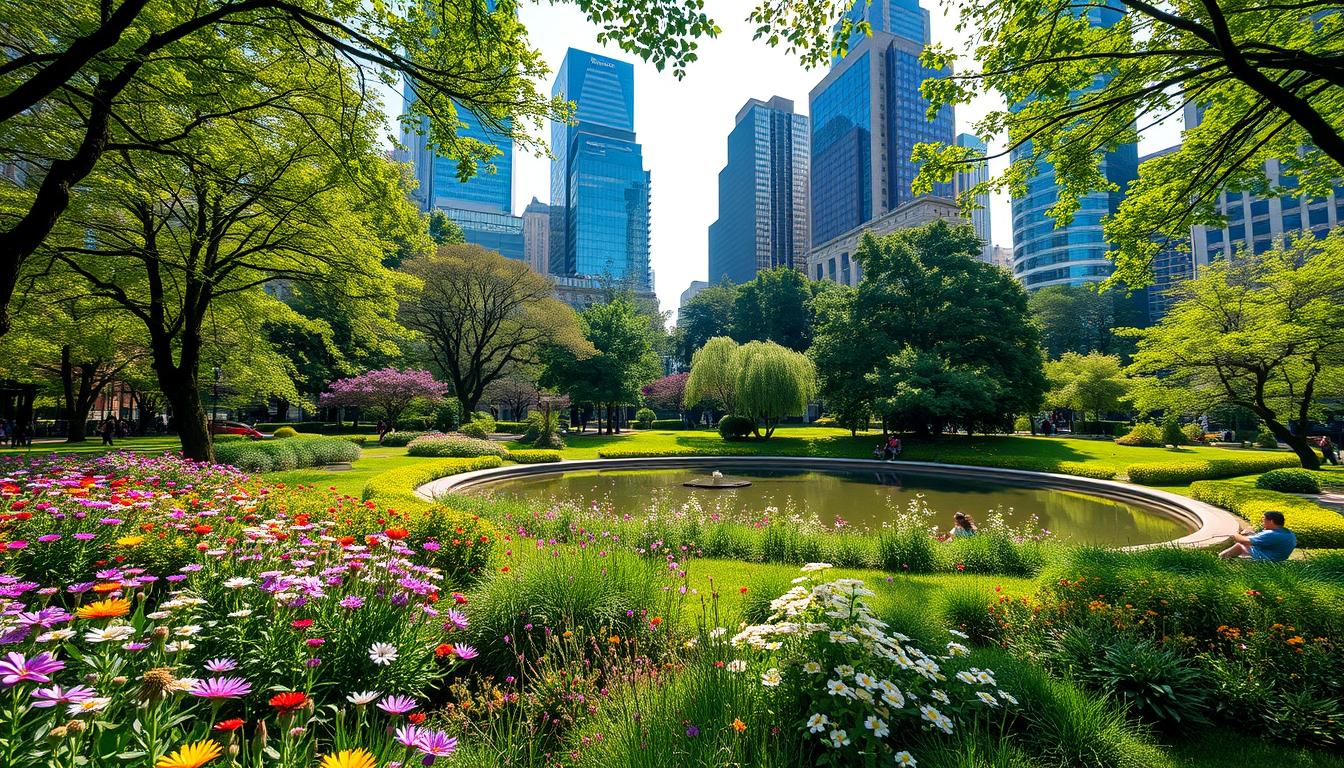
Urban parks and city gardens act as vital green oases amid bustling metropolitan life. These green spaces in cities not only enhance the aesthetic appeal but also serve essential ecological functions. For example, Berlin’s Tiergarten, one of the oldest and most extensive parks in Germany, offers not just leisure opportunities but also habitats for wildlife. Similarly, Tempelhofer Feld, once a closed airport, has transformed into one of Europe’s largest public parks, hosting various activities like cycling and team sports.
The rise of small pocket parks, like those initiated in Kraków, showcases a growing trend toward accessible green spaces that promote community engagement. With plans for 70 micro-parks in the city, residents can enjoy recreational zones within a 500-meter radius. These parks are designed to increase biodiversity and support local flora and fauna, providing places for social interaction and physical activity. Ultimately, green oases such as these contribute significantly to urban ecology and mental well-being.
Examples of Unique Green Spaces
Across Europe, cities showcase exceptional green spaces that enrich urban life. Berlin parks, particularly the renowned Tiergarten, are celebrated for their sprawling landscapes and diverse attractions. Visitors can explore picturesque lakes and historical monuments, reminiscent of the vibrant atmosphere found in New York’s Central Park. In addition to these parks, the Botanischer Garten stands out with its extensive collection of international plant species, highlighting the importance of botanical diversity.
Krakow gardens have gained popularity through the development of pocket parks. These innovative green areas utilize underused urban spaces, transforming them into lively community centers. The addition of modern green landscapes not only beautifies the city but also encourages social interaction among locals and tourists. The renovation of neglected areas shows how well-planned green projects can spark excitement and revitalization.
Historical gardens, like Pfaueninsel and Park Sanssouci, serve as cultural landmarks in Berlin, echoing the historical significance of green spaces in urban areas. Such gardens not only nurture biodiversity but also connect visitors with the rich heritage of the cities. By merging nature with culture, these exceptional green spaces contribute to the overall urban experience.
How to Promote Ecology in Cities
Promoting ecology within cities involves implementing various strategies to foster a connection between residents and their local ecosystems. Community green initiatives play a critical role in creating vibrant city gardens that enhance urban landscapes. Innovative projects such as community gardening encourage residents to engage directly with nature, promoting sustainability in their lifestyles. These initiatives not only beautify urban spaces but also provide educational opportunities centered around ecological education.
Taking cues from successful models around the globe, cities can transform underutilized areas into green spaces that mitigate the urban heat island effect and improve air quality. For instance, the pocket park model in Krakow demonstrates how public participation in creating and maintaining green areas can make a lasting impact. By involving local communities in conservation efforts, the importance of biodiversity becomes more evident, which drives residents to actively care for their surroundings.
The successful integration of ecological practices can be facilitated by local governments and organizations promoting ecological education. Programs that highlight the benefits of urban wildlife habitats often lead to increased stewardship of city gardens and local parks. Education not only raises awareness about environmental issues but also empowers individuals to make sustainable choices that can positively influence their urban environment.
Trends in Ecological Urbanism
The landscape of urban design is evolving, emphasizing ecological urbanism as a key trend in sustainable city planning. This approach prioritizes integration with natural systems, promoting urban biodiversity and enhancing the overall health of city environments. The incorporation of green roofs is becoming a prevalent practice, transforming concrete jungles into vibrant ecosystems that support various plant and animal species while also improving energy efficiency in buildings.
Innovative developments are taking place, especially with the implementation of contemporary green design principles. Cities are increasingly adopting eco-corridors and biophilic designs, which integrate nature into everyday urban experiences. An exemplary case of this practice is Gleisdreieck Park in Berlin, where previously industrial land has been transformed into a lush urban space that meets community needs while enhancing ecological balance. This reflects a larger trend toward transforming spaces to support sustainable living.
These movements underscore a growing awareness of the importance of harmonizing urban development with environmental conservation. The emphasis on these trends signifies a wider discussion in urban planning circles, aiming not just for aesthetic improvements but for a fundamental shift in how cities engage with their surrounding ecologies. Achieving these goals requires collective efforts to rethink urban strategies that prioritize long-term sustainability over short-term gains.